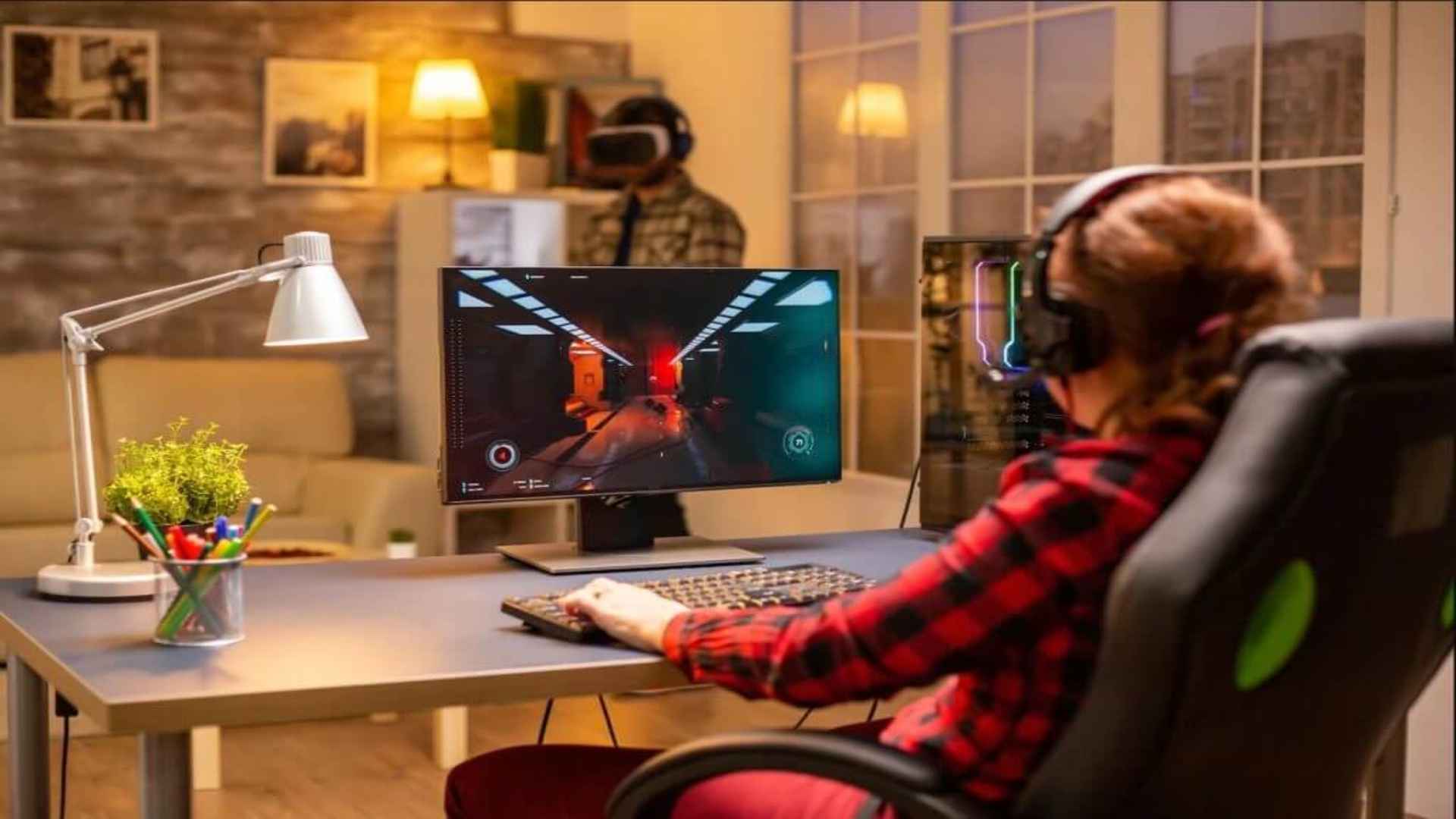
The modern arcade landscape has evolved far beyond the static levels of the past to offer dynamic environments that change every time you play. This shift toward procedural generation and adaptive difficulty ensures that gamers are constantly presented with new challenges that test their skill and adaptability.
The Magic of Procedural Content Generation
Procedural content generation uses complex algorithms to create game levels and obstacles on the fly rather than relying on pre-designed maps. This technology means that no two playthroughs are exactly alike, providing a sense of discovery that keeps players coming back for more.
By blending randomized elements with structured game design, developers can create endless variations of their digital worlds. This approach effectively eliminates the predictability that often leads to player burnout in traditional linear games.
Modern arcade adventures leverage this variability to maintain high levels of engagement across diverse demographics. Whether you are navigating a shifting maze or facing randomized enemy waves, the unpredictable nature of the game keeps your reflexes sharp.
Adaptive Difficulty and Player Engagement
Beyond randomized environments, many contemporary arcade titles implement dynamic difficulty scaling to match a player's individual performance. This system monitors your success rate and adjusts the game speed or enemy intensity to provide a perfectly balanced experience.
Ensuring that a game is neither too easy nor frustratingly difficult is essential for maintaining the psychological state of flow. When a player feels appropriately challenged, they are more likely to spend longer sessions immersed in the digital experience.
For those looking to explore these evolving platforms, using an M88.com login can provide access to a wide range of interactive titles. These platforms often feature global leaderboards that add a layer of social competition to the ever-changing gameplay loops.
The Role of Physics Based Interaction
Advanced physics engines play a crucial role in making arcade adventures feel organic and responsive to player input. Instead of scripted animations, objects in the game world react according to realistic physical laws, creating unique scenarios during every encounter.
This level of interactivity allows for creative problem-solving and emergent gameplay that developers may not have even anticipated. Players can use the environment to their advantage in ways that feel natural and rewarding within the game's mechanics.
Physics-based systems ensure that even the simplest actions, like jumping or throwing an object, have slightly different outcomes based on timing and positioning. This subtle variability is key to making every session feel fresh and physically engaging for the user.
Future Innovations in Dynamic Gaming
The future of arcade gaming looks even more promising with the integration of artificial intelligence and cloud computing. These technologies will allow for even more complex world-building and real-time adaptations that were previously impossible on standard hardware.
Developers are currently experimenting with AI that can learn from player behavior to create personalized missions and storylines. This customized approach to game design represents the next frontier in creating truly unique and endless digital adventures.
As web standards continue to improve, high-fidelity arcade experiences will become even more accessible directly through mobile and desktop browsers. This ease of access ensures that fresh gaming content is always just a few clicks away for a global audience.