The landscape of commercial entertainment in New York is undergoing a major shift as state regulators approve new full-scale casino developments downstate. These new initiatives transition existing locations into fully integrated resorts while paving the way for brand-new gaming destinations. Understanding how these projects unfold offers key insights into the state's economic goals and changing leisure industry.
The Expansion of Downstate Gaming Licensing
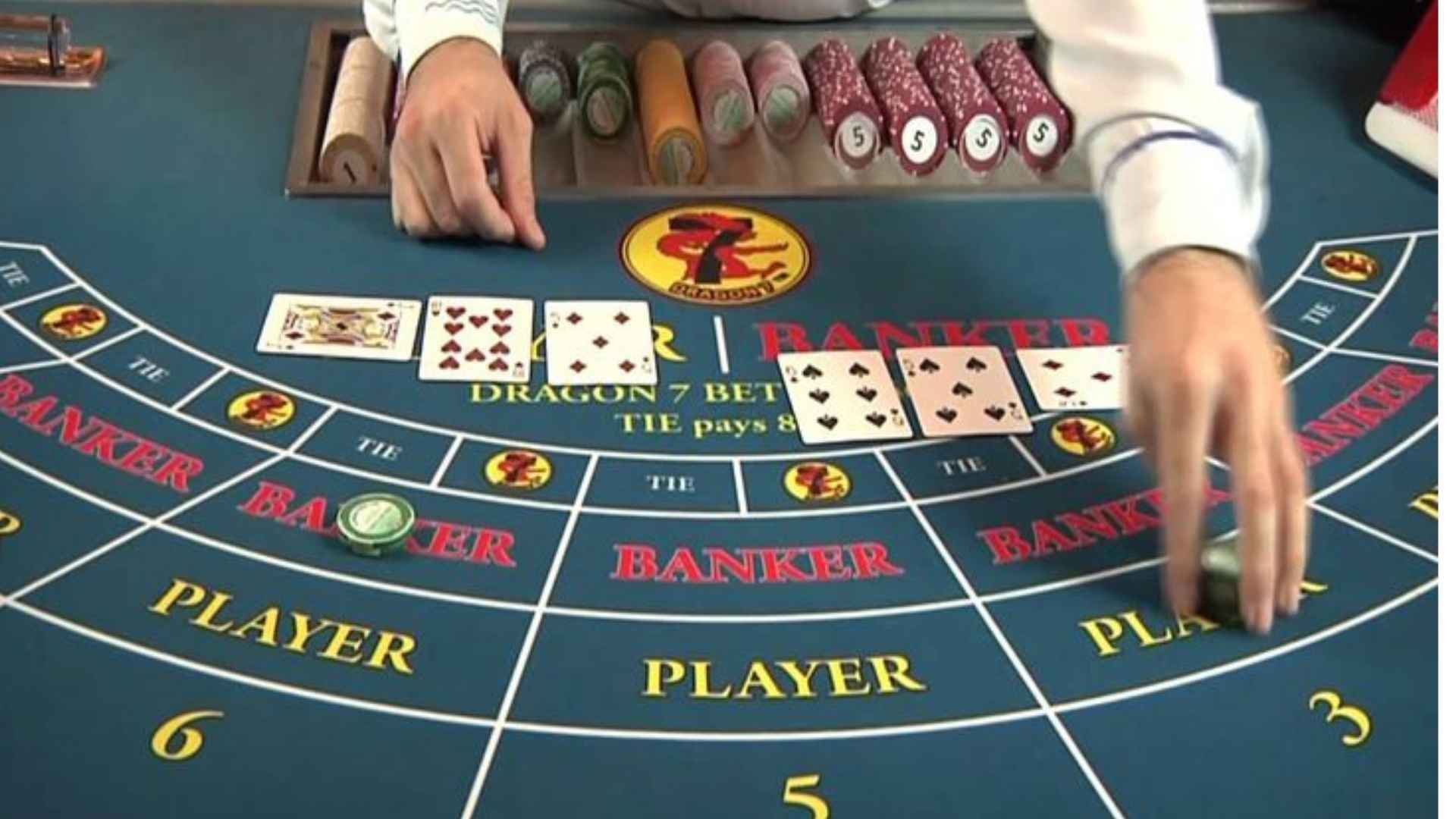
For years, downstate New York relied primarily on video lottery terminals and racetracks rather than full commercial casinos with live table games. Recent regulatory approvals have altered this structure by awarding official commercial licenses to major developers across key boroughs. This legal expansion allows operators to introduce live dealer card games, comprehensive sportsbooks, and expanded gaming floors.
By licensing properties like Resorts World NYC in Queens alongside new venues in the Bronx and Willets Point, the state aims to keep entertainment revenue local. Local government officials anticipate significant economic growth driven by increased tourism and direct infrastructure investments. Tax revenues generated from these expanded gaming floors will directly support public funding and community projects throughout the state.
Transforming Current Infrastructure into Integrated Resorts
Existing facilities have gained a substantial head start in the market by converting established properties into full-service commercial resorts. Resorts World New York City rapidly expanded its live table offerings and expanded slot counts shortly after securing official authorization. This immediate conversion strategy provides immediate economic output while multi-billion dollar greenfield projects remain under multi-year construction schedules.
Alongside traditional gaming additions, these developments incorporate vast non-gaming amenities such as hotels, concert halls, and fine dining options. Analysts monitoring global gaming trends at platforms like m88 alternatif highlight how integrating entertainment with hospitality drives broader regional appeal. By appealing to non-gamblers through premier hotel amenities and dining halls, modern resort operators create long-term stability.
Future Developments and Long Term Regional Economic Impact
New resort concepts planned near major sports venues, including the proposed Metropolitan Park near Citi Field, promise to redefine surrounding neighborhoods. These massive projects involve multi-billion dollar investments targeted at constructing hotel towers, massive green spaces, and transit upgrades. Nearby community groups actively participate in advisory committees to ensure these commercial ventures bring tangible public infrastructure improvements.
The long-term outlook for New York gaming projects indicates several thousand permanent union jobs created once construction reaches completion. Local businesses are expected to benefit from increased foot traffic and regional tourism centered around these destinations. As these facilities move closer to operational readiness, the state solidifies its place as a major commercial gaming market.