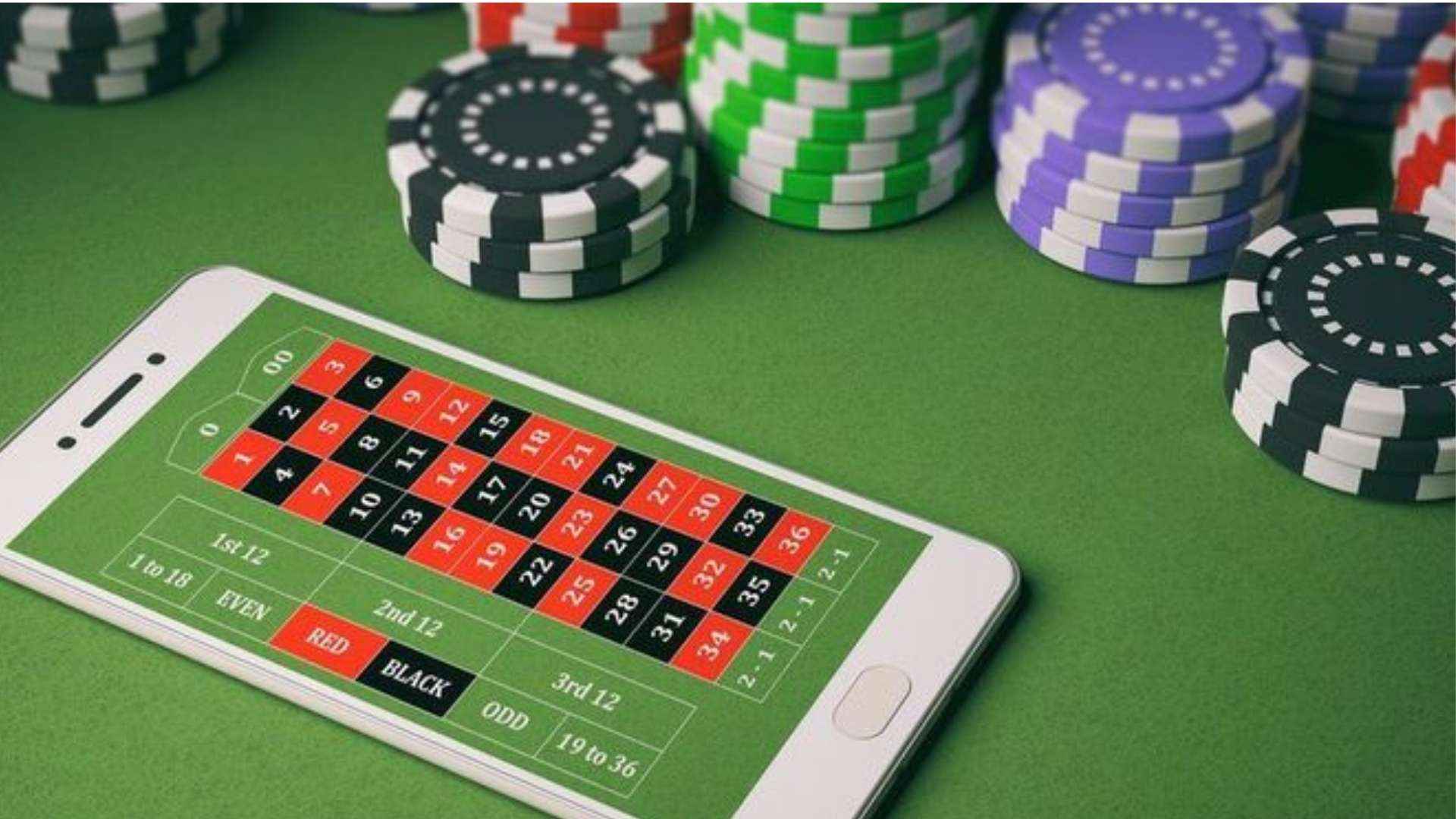
Tabletop entertainment has undergone a massive shift from simple roll-and-move mechanics to complex intellectual pursuits that challenge our decision-making. Today, modern table games are highly valued not just for their entertainment, but for their ability to cultivate superior analytical thinking and foresight. Engaging with these games regularly allows players to develop structured systems of planning that are highly applicable to real-world scenarios.
The Mathematical Precision of Blackjack
Blackjack stands out as a prime example of a game where tactical planning directly impacts the final outcome. Unlike purely luck-based activities, card games force players to calculate risks based on visible probabilities and dealer constraints. By learning when to stand, hit, or double down, players train their minds to make objective choices under pressure.
Understanding the mathematical foundation of these decisions helps lower the house advantage and results in far more consistent sessions. For those looking to put their analytical skills to the test in a secure environment, accessing a trusted portal like M88id provides an excellent starting point. Practicing with low stakes allows beginners to refine their systems before taking on more complex challenges.
The Long-Term Foresight of Chess
Chess has served as the ultimate testing ground for human strategy and cognitive discipline for over a thousand years. Every match requires players to look multiple turns ahead while simultaneously decoding the subtle intentions of their opponent. This continuous cycle of action and reaction helps players build mental resilience and spatial awareness.
By forcing participants to anticipate consequences, chess discourages impulsive moves and rewards patient calculation. Over time, this disciplined approach to problem-solving naturally transitions into everyday decision-making and professional planning.
Resource Management in Modern Board Games
Modern tabletop strategy games have introduced revolutionary mechanics centered around economic planning and resource management. Players must balance immediate survival needs with long-term investment strategies to secure their victory. This dynamic setup creates a realistic simulation of financial allocation and risk assessment.
Because resources are always limited, players must constantly negotiate, trade, and adapt to changing conditions. These interactive elements make modern board games an outstanding tool for teaching adaptability and strategic compromise.
Building Better Habits Through Play
Ultimately, the habits developed around the gaming table extend far beyond the physical or digital board itself. Regular engagement with strategic challenges encourages a growth mindset, where mistakes are viewed as learning opportunities rather than failures. Players learn the value of patience, emotional control, and methodical preparation.
By treating table games as an active workout for the brain, you can sharpen your cognitive abilities while enjoying meaningful social interactions. Embracing these challenges today is one of the most rewarding ways to elevate your strategic thinking.